September 24, 2026
Pole barns have remained a practical building solution for generations because they combine relatively straightforward construction with flexibility, durability, and affordability. While they were originally associated primarily with agricultural storage, modern pole barns can serve a much wider range of purposes. Homeowners, farmers, business owners, and property managers can adapt these structures to meet changing needs.
The continued popularity of pole barns also reflects improvements in construction techniques and available materials. Today's structures can incorporate insulation, finished interiors, electrical systems, windows, doors, and other features that make them suitable for everything from workshops to commercial facilities. Understanding the factors behind their longevity and versatility helps explain why this building style continues to attract property owners.
What Makes Pole Barns a Cost-Effective Option?
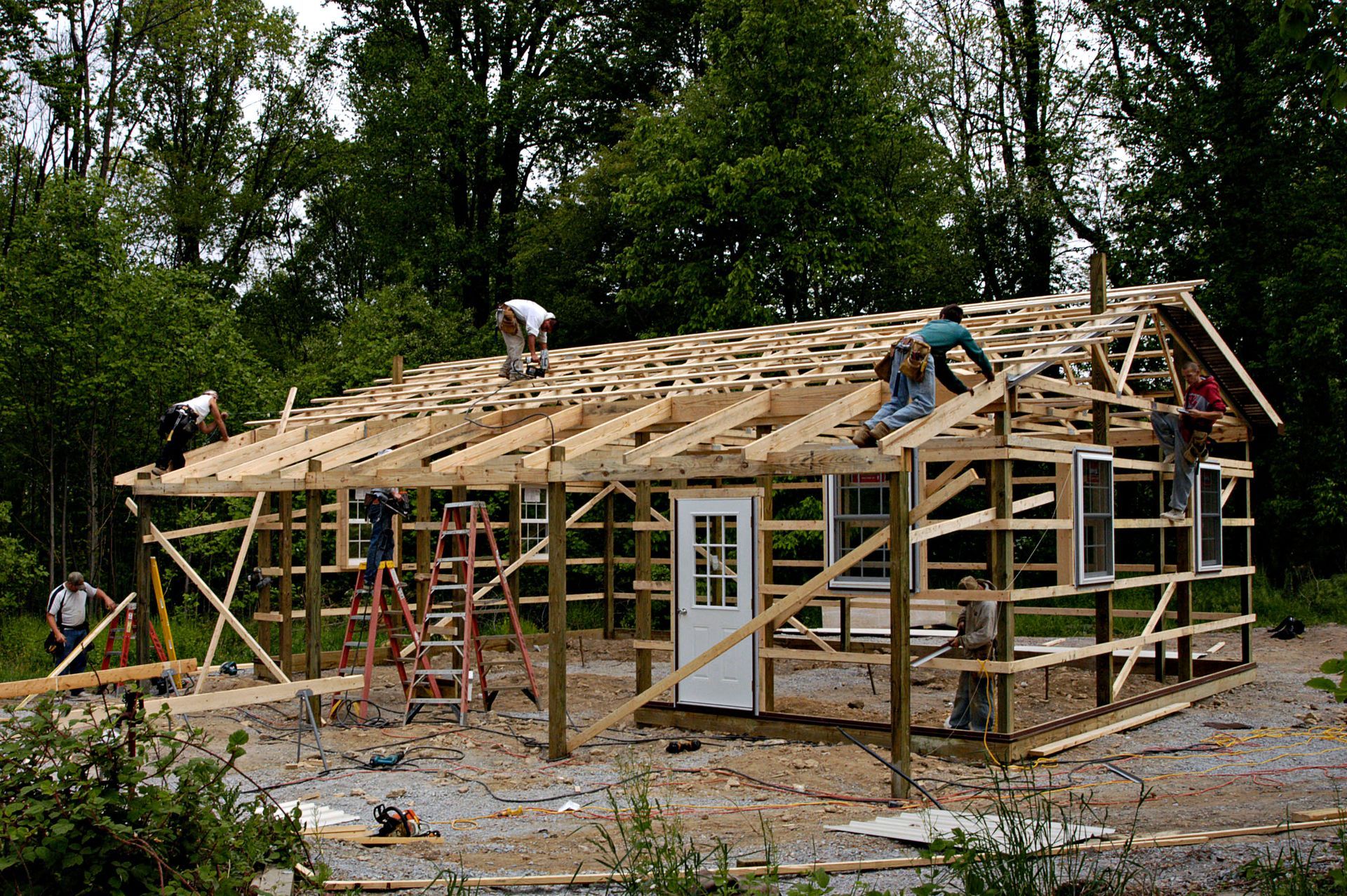
One of the primary reasons property owners choose pole barns is their potential cost efficiency. The construction process can require fewer materials and less site preparation than some conventional building methods. Instead of relying on a traditional foundation extending beneath the entire structure, pole barns typically use strategically placed posts to support the building framework. This approach can reduce the amount of concrete, excavation, and labor required for certain projects.
A pole barn builder can also design the structure around its intended purpose, allowing owners to avoid paying for unnecessary features. For example, an agricultural building intended for equipment storage may not require the same interior finishes as a residential workshop. Similarly, a commercial storage facility can be designed around specific equipment, vehicles, or inventory requirements.
Material selection can further influence the overall cost. Metal siding and roofing are commonly used because they provide a durable exterior while requiring relatively little maintenance. The ability to customize dimensions and features also gives property owners greater control over where their construction budget is allocated.
Compared with conventional construction, this combination of efficient framing, adaptable designs, and potentially reduced foundation requirements can make pole barns an attractive option. However, actual costs vary considerably depending on location, building size, site conditions, materials, permits, utilities, and interior finishes.
How Do Pole Barn Builders Ensure Structural Longevity?
Affordability would mean little if a structure could not withstand years of use and exposure. A qualified pole barn builder therefore has to consider structural design, material quality, drainage, weather conditions, and proper installation when constructing a building intended to last.
The posts, framing members, roof system, siding, and fasteners all contribute to the building's overall performance. Properly installed posts and adequate structural connections help the building withstand expected loads, while appropriately selected roofing and siding materials provide protection against rain, snow, wind, and sunlight.
Site preparation is another important consideration. Water that consistently collects around structural components can contribute to deterioration over time. Proper drainage, grading, and moisture management can help protect the building and surrounding soil.
Maintenance also plays an important role in longevity. Regularly inspecting the roof, siding, doors, fasteners, and areas where water may accumulate allows owners to identify developing problems before they become more extensive. According to HomeGuide, pole barns generally last about 40 to 60 years, while properly maintained newer installations can potentially remain in service for as long as 100 years.
These figures demonstrate why construction quality and ongoing maintenance matter. A
pole barn builder who understands local environmental conditions can also help determine appropriate materials and structural considerations for the property's climate.
What Are the Versatile Uses of Pole Barns?
Another major reason for the popularity of pole barns is their ability to accommodate a wide variety of uses. Agricultural applications remain common, with structures providing space for tractors, hay, livestock, tools, and other equipment. Large unobstructed interior areas can be particularly useful when owners need to move machinery or store bulky materials.
Outside agriculture, pole barns can provide valuable workspace and storage for homeowners. A building might serve as a garage, woodworking shop, recreational area, home gym, or general-purpose workshop. A pole barn builder can incorporate doors, windows, insulation, electrical systems, and other features according to the intended use.
Businesses can also use pole barns for commercial purposes. Contractors may need space for equipment and vehicles, while small businesses could use larger structures for inventory, manufacturing, storage, or operations. Their adaptable floor plans make it possible to create functional spaces without committing to a highly specialized building design.
This flexibility can become particularly valuable as needs change. A building initially used for equipment storage could eventually be converted into a workshop or expanded to accommodate additional operations. Planning for future uses during the initial design process can make those changes easier and more economical.
How Have Modern Pole Barn Designs Evolved?
The basic principles behind pole barn construction have remained recognizable, but modern designs are considerably more sophisticated than the simple agricultural structures that once dominated the category. Today's pole barns can incorporate architectural details and interior features that allow them to blend into residential and commercial properties.
Modern pole barn builders can offer options involving different siding colors, roof styles, window configurations, overhead doors, entry doors, and exterior finishes. These choices allow owners to create structures that are functional without looking purely utilitarian.
Interior customization has expanded as well. Insulation and interior wall systems can make a building more comfortable throughout the year. Electrical wiring, lighting, heating, ventilation, and plumbing can transform an otherwise basic structure into a highly functional workspace or finished building.
Design improvements can also address practical concerns. Better weather-resistant materials, improved fastening systems, and more sophisticated structural planning can help modern buildings perform under demanding conditions. The result is a building style that retains its original efficiency while offering many of the conveniences associated with conventional construction.
What Should You Consider When Selecting a Pole Barn Builder?
Choosing the right pole barn builder is an important part of the process because construction quality can affect the building's appearance, durability, and long-term performance. Property owners should begin by researching a builder's experience with projects similar to their own.
Ask prospective builders about previous work, construction methods, materials, warranties, and the expected project timeline. Reviewing completed projects can provide useful insight into the builder's workmanship and attention to detail. It is also worth determining whether the builder handles the entire construction process or coordinates with separate subcontractors for particular portions of the project.
Local experience can be especially valuable. A pole barn builder familiar with the area may have a better understanding of local weather conditions, permitting requirements, building codes, and common site challenges. Property owners should also make sure the proposed design complies with applicable regulations before construction begins.
A detailed written estimate is another important consideration. The proposal should clearly identify the building's dimensions, materials, doors, windows, foundation or post system, roofing, siding, and any additional features. Comparing proposals based on the complete scope of work rather than the initial price alone can make it easier to understand the actual value being offered.
Why Pole Barns Remain A Popular Building Choice
The enduring popularity of pole barns comes from their ability to provide practical space without requiring a one-size-fits-all approach. Efficient construction methods can help control costs, while durable materials and proper installation can provide decades of service. Their adaptability also allows the same basic building concept to serve agricultural, residential, recreational, and commercial purposes.
Modern design options have further expanded their appeal. Property owners are no longer limited to basic storage structures. With thoughtful planning and the expertise of an experienced pole barn builder, these buildings can include insulation, utilities, finished interiors, attractive exterior features, and specialized spaces.
Ultimately, a successful pole barn project depends on matching the structure to its intended use and selecting appropriate materials, construction methods, and design features. Working with a knowledgeable pole barn builder can help ensure those decisions are made with both immediate functionality and long-term durability in mind. As construction techniques continue to evolve, pole barns are likely to remain a practical and adaptable building option for years to come. If you're considering a pole barn, reach out to Schroeder Contracting Services, LLC today!